Share:
)
A trained actor with a dissertation on standup comedy, I came into PHP development via the meetup scene. You can find me speaking and writing on tech, or playing/buying odd records from my vinyl collection.
An Interview with the Executive Director of The PHP Foundation
I’ve decided to switch things up a bit with my writing for this article. Usually, I’ll crack into the feature of a framework such as Laravel or Symfony, or implement something like Silent Authentication. However, given both the recent appointment of Elizabeth Barron as the new Executive Director at The PHP Foundation, and Vonage’s historic connection with PHP (that goes back some years and previous company iterations!), I thought I’d take the time to gain some insight into the direction of the PHP language itself.
It’s easy to overlook the vital work that happens behind the scenes when going about your day-to-day business writing software, so I’ve posed some questions that Elizabeth has very kindly answered for the benefit of Vonage Developers, PHP Developers, and indeed, any developer of any language. Delve into insight on lifelong community friendships, the fractal nature of modern PHP, on the consequences of defending PHP rather than championing it, and the AI bubble and its effect on Open Source.
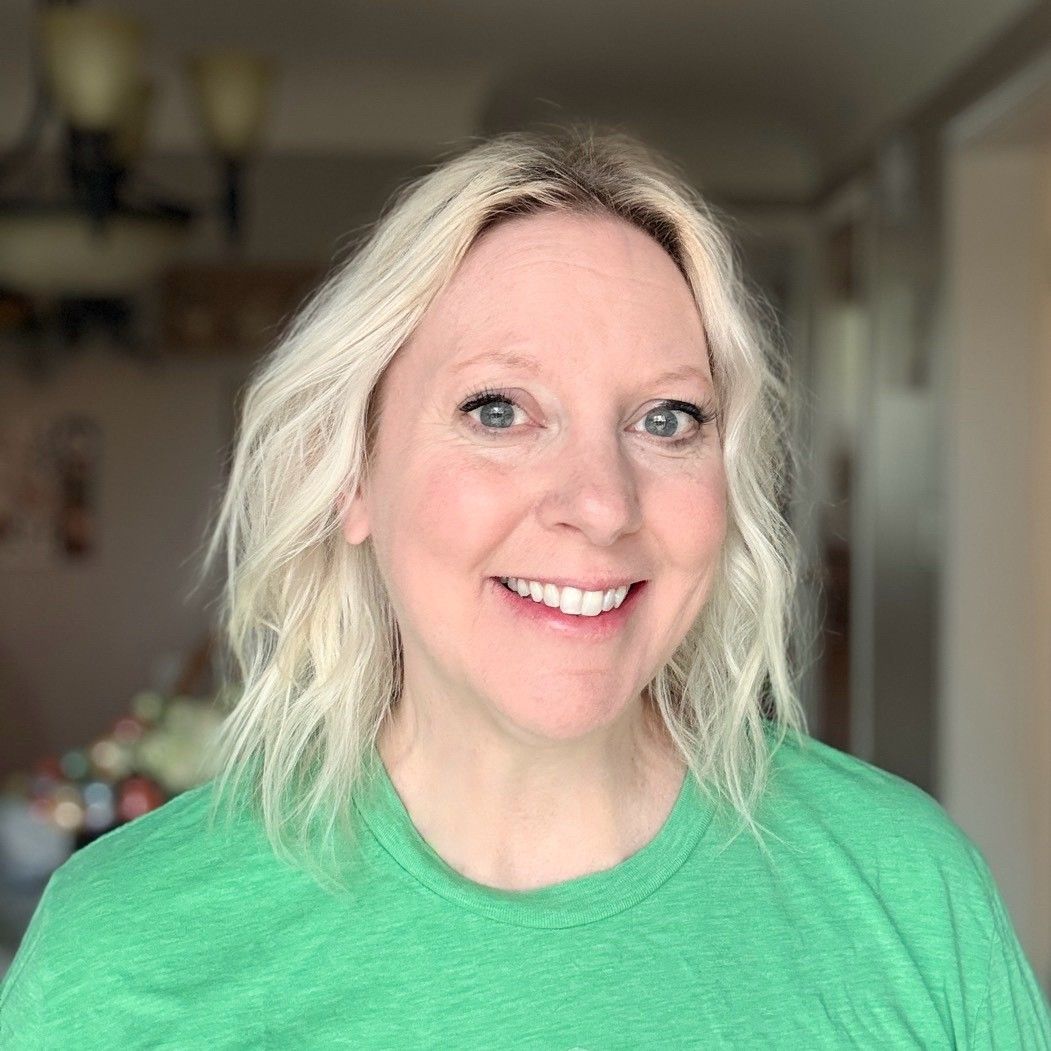 Meet the Executive Director
Hi! I’m Elizabeth Barron (formerly Elizabeth Naramore, for anyone who might recognize that name). I’ve been in open source for more than 25 years, and PHP was the first open source community I was introduced to. Since then, I’ve spent a lot of time helping manage open source projects and communities. I’ve worked at companies like GitHub, Sourceforce, Engine Yard, and Pivotal, and worked as a contractor for organizations like the Linux Foundation, Innersource Commons Foundation, and the CHAOSS project. I couldn’t be happier to be rejoining the PHP community and working for The PHP Foundation.
In my spare time, I’m a nature photographer, and I’m going back to school to achieve my MBA. I like video games, board games, and my family, and I like getting into mischief together. (It’s what happens when you bring four generations of troublemakers together!)
Like many others, I’m a self-taught PHP developer who stumbled into the community when I was looking for help. PHP 3 was the first version I worked with, and the community was ridiculously friendly and helpful in getting me unstuck. I ended up spending a lot of time in the #phpc IRC channel and on the forums of PHPBuilder.net. Apologies if this sounds cheesy, but it’s absolutely true: I went there looking for answers to technical questions, but I found lifelong friends! My love for community grew in those spaces. Together, we ran PHP coding contests, we organized community events (like PHP Appalachia and the PHP Community Conference), we built PHP Women, we wrote books, we started local user groups, and we shared PHP news and knowledge every day. We celebrated wins together and grieved losses together. It really showed me the power that comes with an open source community, and I pivoted my career away from web development into community management.
Over the years, my professional attention broadened to include other open source languages and projects, but PHP has always been on my radar.
The PHP community seems to be more fragmented than before, and I would guess that happened for three reasons. First, IRC and Twitter (the platforms where a large part of the community congregated) evolved, and people left to find a new space they could call home. Unfortunately, there wasn’t an agreed-upon place to migrate to, so the community scattered to Discord, Mastodon, Bluesky, Reddit, and other places.
Secondly, the PHP community grew so large that fragmentation was natural and inevitable. Organically, communities can only stay together until a threshold is reached, and then they tend to split. (Incidentally, the research around these group dynamics is fascinating.)
And lastly, unlike in some other open source languages, the PHP ecosystem evolved such that there are a number of large, successful projects and frameworks that people are drawn to. There isn’t just one framework (like Rails was for Ruby), so people align themselves to those subcommunities instead of rallying around one predominant project.
 Respect The Claw
There is a cycle we must break: Companies move away from PHP and hire fewer PHP developers, which leads to a lack of well-paying jobs in the PHP sector, which leads to two things:
Bootcamps and educational organizations stop teaching PHP in lieu of languages that are more likely to get their participants hired, and that the participants therefore want to learn
Current PHP developers pivot to other languages so they can continue to find employment
So we really need to address that root cause - why companies move away from (or overlook) PHP. Luckily for us, this is more of a marketing and perception issue rather than fundamental flaws in the language.
There are many things we can do to shift the perception of PHP and communicate its viability in enterprise and at scale, most of which involve sharing our success stories outside the PHP bubble. But it will take all of us working together to change the story of PHP.
I do, too, actually. I think we all do. There will always be those who jump to the next bandwagon because they feel like that’s what they’re supposed to do to stay relevant. While keeping up with trends is perfectly fine, it’s the hating of other technologies that seems unnecessary. Many times, they haven’t even dug deep enough to understand why they’re hating on the thing. They just know it’s “old” and repeat the meme. I’m convinced it doesn’t even have much to do with the actual technology and that it’s more about them wanting to belong to the in-group. Because honestly, if someone is creating something great, who cares what they use on the backend? So in my opinion, trying to “defend PHP” in those kinds of discussions is futile and exhausting. I ignore them.
Instead, what we can all do is as I mentioned earlier: tell the story of PHP outside our PHP bubble. We don’t need to acknowledge or reinforce the meme by saying “PHP is not dead!”, but instead we can simply share the ways we are using PHP at scale or in interesting ways. “Old” also means stable. “Old” also means a history of lessons learned. “Old” also means a strong community of people who have dedicated years of their lives to ensuring it succeeds. “Old” does not mean “bad.”If we show the power of what we’re doing and how easy it is to solve interesting problems, we won’t have to work so hard to convince people that PHP is as viable a choice as it always was. It just will be.
Hearing that makes my heart sad. There is so much power in community, collaboration, learning from, and inspiring each other. It’s the heart and soul of open source! And if someone sees those events as useless, I’d be willing to bet that that someone hasn’t experienced them firsthand. I’ve been thinking a lot about this particular challenge and what we can do to ensure the sustainability of our community events. Remember in 2020 when all the conferences and user group meetups just stopped existing? The void that was left was devastating. Now, imagine if that became our new long-term reality. It would be an immeasurable loss. We as a community can not let that happen.
I think it would make sense for the Foundation to try to coordinate support for conference organizers in terms of sponsorships, speakers, and other resources, and for conference goers to share the good things that come out of attending. It’s easy to take these events for granted, but we should never stop communicating about the value they bring.
I suppose this is a result of the fragmentation I mentioned earlier. It’s only inevitable that these more niche conferences will pop up. I don’t think it’s a bad thing, and I don’t think they compete with each other for resources, speakers, or attendees. There are high-level “technology-based” conferences like CES or DeveloperWeek where open source is a small piece, there are larger open source conferences (like OSSNA) where PHP is a small piece, and there are the larger PHP conferences (like PHPTek) where frameworks are a small piece. People will be attending these conferences for different reasons, just as sponsors will be exhibiting with different expectations from different audiences. I think it’s a sign of a healthy and growing ecosystem, and I love to see it. The fact that we have multiple projects built on and around PHP that are big enough on their own to host conferences and user groups is a huge win for all of us. It’s an indicator of the success of the ecosystem and language, and I think it’s something to celebrate!
As I mentioned, it has been a while since I have been in the PHP community, and one thing that was surprising to me when I returned was the skew toward European and North American contributors, conferences, and activity that still exists. I think there is much that can be done to increase participation from the rest of the world. I see some activity in South America (mostly Brazil) and Japan, for example, but almost none in Africa. Why is that? Python is huge across Africa, but where is PHP? Are things happening that we just don’t know about? Or are there pockets of newcomers to open source that could create amazing things with PHP, but they just don’t know about it because it’s not being taught anywhere? I would really like to do more research into this, because there is a huge untapped potential waiting to be discovered and potential developers waiting to be included in our community.
I have learned from conversations with other Foundation directors and conference organizers that the funding situation is not unique to PHP, and that sponsorships are harder to come by than ever. This aligns with my experience working on other projects as well.
Right now, companies seem very keen to support anything with AI in the title, so the lack of funding in other places feels like an unfortunate byproduct of the recent push toward AI-everything.
I wish I had some magical piece of advice other than that I don’t think the AI bubble will last and that the pendulum will swing back toward the middle. But in the meantime, what we can do is come together as a community to continue crafting awesome events with fantastic speakers and opportunities for building things together. Sponsoring companies will go where the attendees go. And attendees will go where they can get the most value. I think we may have to get creative and consider new approaches, but if we can keep the ticket costs affordable, the travel to and from the conference manageable, and the value the same as it always has been (or more), we have a much better chance of weathering this funding drought together.
There is a lot of room for coordination and cooperation when building these events, and no organizer should feel like they have to solve these problems on their own. Their problems belong to all of us, because what they provide is critical to the success of our language. Advocating internally for attendance and potential sponsorship is something that anyone can do. And as I mentioned, the Foundation can help facilitate and bring organizers together.
Personally, I have my own opinions about AI, but I won’t mention them here because they are frankly irrelevant. And although The PHP Foundation takes no official stance on the usage of AI, with the creation of the new Ecosystem Security Team and the Ecosystem AI Security Engineer in Residence role, we are beginning to leverage the ability of AI to handle the impending influx of AI-generated security reports and fixes. AI can have some benefits if used with reason, strict boundaries, and careful oversight. (And someone who knows how to find and fix AI-created mistakes, but that’s another story.)Open Source maintainers are already feeling the pain that comes with more accessible AI security and coding tools, as they are being inundated with bug and security reports, which may or may not be valid. Triaging and handling each issue takes time and energy, which could be spent elsewhere. And as AI tools become more accessible, this influx will only grow. So with this new initiative, we are hoping to help maintainers sort through and determine what needs to be prioritized and fixed. We are also helping them proactively address vulnerabilities before they become a problem. (And we also shouldn’t discount the human aspect of this initiative: the building of a trusted team that can be a resource should things go bad. If you’re the only one maintaining a PHP library, for example, having that team to turn to for assistance in times of crisis is no small thing.)This is a 6-month experimental program funded by the good folks at Alpha-Omega, and our hopes are high for a more secure PHP ecosystem as a result. Using AI to save us from AI seems like a very good use case for AI. :)
I love this question! I’m incredibly excited about the passion and energy of the builders in the community. People continue to amaze me with the new things they’re working on and developing. They are creatively solving problems and making the world a better place. They’re using PHP at scale, and they’re leveraging it to quickly prototype ideas. We have so many interesting PHP stories to tell the world. To the earlier question about geography, I’m excited about the possibility of sharing the power of PHP with new communities. I want to see what they build and what problems they solve. I want them to enjoy a seat at the open source table and experience the opportunities that open up for them and the friendships that they forge. I want to include them in the conversations and give them a place to contribute.
I love that we have an army of dedicated, energetic people who continue to contribute to the PHP ecosystem wherever they can. Whether it be our core contributors, our user group and conference organizers, the companies that are built on PHP and who donate time and money, people who are sharing their knowledge through videos or blog posts, or developers who show up in community spaces and participate, our community is strong and will only get stronger.
Lastly, it’s encouraging that The PHP Foundation is poised to help be the ones to tell those stories, bring those contributors together, and support the ecosystem wherever it can. And now I get to be a part of that? It’s a dream for me and the thing I’m most grateful for. In my mind, the future of PHP couldn’t be brighter.
A massive thanks to Elizabeth for agreeing to speak to us, and for giving an insight into what is to come in the PHP Ecosystem. Remember, to get started using PHP with Vonage’s APIs, you can use Composer to get our PHP SDK as a package and start playing with all of the functionality we offer. Within the PHP community, you can catch us throughout the year at various events such as API Platform Conference and Laracon.